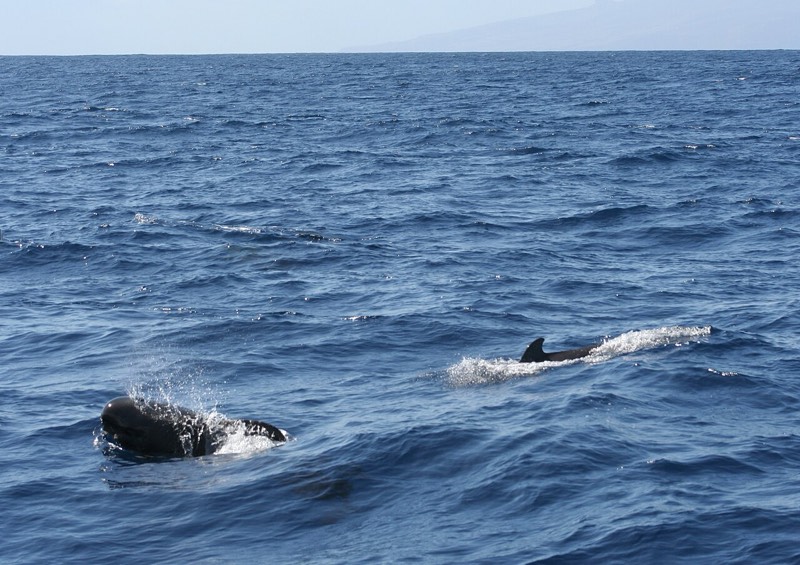
Duration changes the pace and facilities, but more hours do not guarantee more sightings. Two hours covers a compact trip, three adds coast or swimming, and four prioritises a relaxed experience.
Quick comparison
2 hours: the essentials
A good choice with a tight schedule or young children. It normally focuses on reaching the observation area and returning, sometimes with a short stop. There is less room for coastline, food or route changes.
3 hours: the balance
It allows less rushed observation and often adds swimming, a snack or a trip beneath the cliffs. For a first outing, it is usually the most versatile middle ground.
4 hours: the full experience
It allows relaxed sailing, food on board or more coastal time. You need to tolerate longer at sea and reserve much of the day. It does not mean getting closer to the animals.
Decide in 30 seconds
Young children or little time?
Choose two hours and confirm toilet, shade and minimum age.
Want sightings, coast and a possible swim?
Three hours normally offers the best balance.
Value food and relaxed sailing?
Compare four-hour trips and check everything included.
Before booking
- Confirm that the trip really leaves from Los Gigantes; some commercial results depart from other ports in Tenerife.
- Check the actual duration, maximum group size, minimum age, shade, toilet, food and included equipment.
- Read the bad-weather policy and whether the swimming stop or planned route may change for safety reasons.
- Sightings are never guaranteed: these are wild animals and authorised operators must respect approach distances and observation times.
Compare effective time at sea, not only the advertised schedule. Boarding, briefing and disembarking may be included in the total duration.
Trips related to this guide
Compare these experiences and confirm the meeting point, requirements and availability before booking.
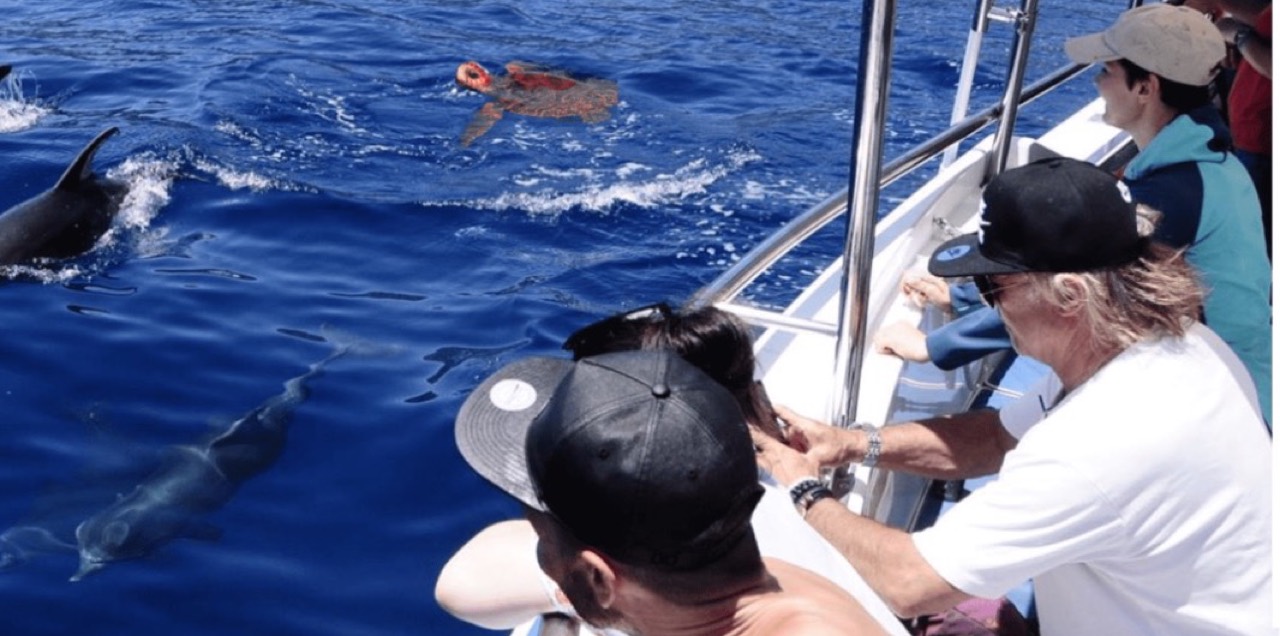
Wildlife watching and a Masca swim
Marine wildlife, cliff scenery and a swim stop from Los Gigantes.
- Operator
- Marítima Acantilados
- Duration
- 2 h
- Departure
- Puerto Deportivo de Los Gigantes
- Age and requirements
- Age and requirements: check the product page before booking
Cancellation: according to the product conditions
Check availability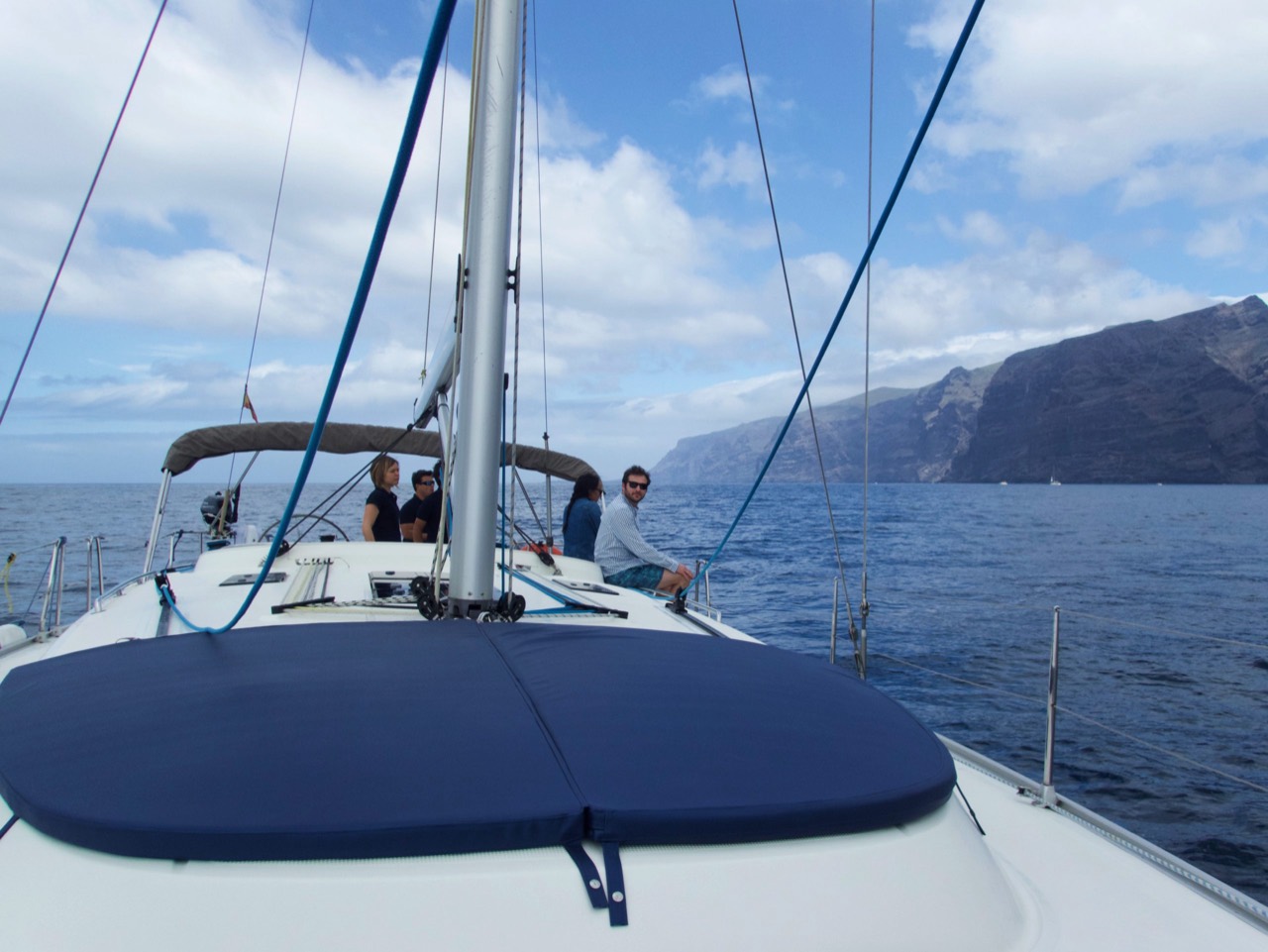
Whale watching sail with a swim
Small-group sailing from Los Gigantes with swimming and snorkelling.
- Operator
- Third Element Charters
- Duration
- 3 h
- Departure
- Puerto Deportivo de Los Gigantes
- Age and requirements
- Age and requirements: check the product page before booking
Cancellation: according to the product conditions
Check availability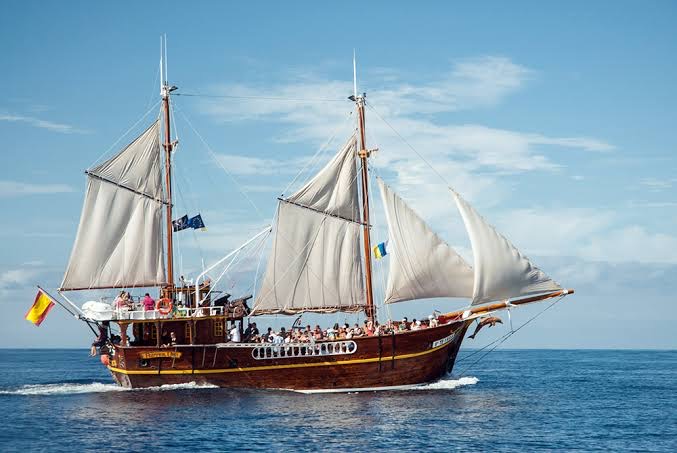
Whale watching by speedboat
A dynamic two-hour trip from Los Gigantes to look for whales and dolphins.
- Operator
- Flipper Uno
- Duration
- 2 h
- Departure
- Puerto Deportivo de Los Gigantes
- Age and requirements
- Age and requirements: check the product page before booking
Cancellation: according to the product conditions
Check availabilityCompare excursions
Compare these experiences and confirm the meeting point, requirements and availability before booking.
Compare excursionsAffiliate links: we may receive a commission if you book through these links.
Frequently asked questions
How long is needed to see cetaceans?
No duration guarantees sightings. Two hours may be enough; three or four adds coast, swimming or food.
Do four hours improve the chances?
Not necessarily. These are wild animals; a longer trip means more time aboard, not a guarantee.
Which duration works with children?
Two hours is often easier with young children, but confirm age, shade, toilet and lifejackets.
Is the swimming stop guaranteed?
No. It depends on sea state, route and the crew’s safety decision.