What should you see in Santiago del Teide in one day?
For a first visit, we suggest Santiago del Teide village in the morning, followed by Los Gigantes and a coastal walk in the afternoon. If you prefer Masca, use it instead of part of this route, not as another compulsory stop. The gorge descent deserves a separate plan.
- By car: combine inland and coast, allowing time for the road, parking and lunch.
- Without a car: adapt the route to bus timetables and confirm the last return service before leaving.
- With a boat trip: build the day around your booking and reduce the other stops.
Choose one itinerary, not every stop
The suggestions on this page are alternatives, not a checklist. For a balanced first day we recommend village and coast; if you have a boat booked, start with that booking. Masca belongs to Buenavista del Norte: it is a nearby excursion from Santiago del Teide, not another settlement in the municipality. The timings below are suggested visiting allowances, not opening hours or guaranteed road journey times.
By car: village in the morning, coast in the afternoon
Allow roughly an hour for the square and surroundings of San Fernando Rey, without assuming the church is open. Then head down to Los Gigantes and spend another hour around the harbour and cliff scenery. Allow separately for driving, finding parking and walking. Have lunch in the same area and choose just one finish: Puerto de Santiago or Playa de la Arena, swimming only if flags and conditions permit. Arguayo can replace the first stop; check access and opening hours for its pottery centre beforehand.
Without a car: fewer areas and a confirmed return
TITSA route 462 connects Santiago del Teide and Los Gigantes through inland and coastal areas. Check the day’s timetable, direction and notes for each departure: a published route does not mean every bus serves every stop in the same way. If connections do not work, spend the day in Los Gigantes and one coastal settlement. Check your last return service before leaving and allow for slopes; do not plan from an old timetable or undated screenshot.
With a boat booking: boarding comes first
Leave the car parked and arrange the harbour, lunch and walk around check-in time. A two- or three-hour excursion also needs arrival, boarding and disembarkation time; do not allow only the advertised duration. For a morning boat, spend the afternoon on the coast. For an afternoon departure, avoid a preceding Masca visit with little spare time. Before booking, check that departure is from Los Gigantes, not another southern harbour.
If you prefer Masca: replace, do not add
Spend the morning in the hamlet and surroundings and keep a flexible coastal afternoon, without adding a lengthy village visit and another timed activity. Check TITSA 355 and official conditions if using public transport. Visiting the village and descending the gorge are different plans: the descent needs its own arrangements. With slow roads, poor visibility or transport changes, keep village and coast as your alternative. Do not add Teide, Chinyero and the gorge to this same itinerary.
Sources and checks
Official information consulted on 7 October 2026. Check for changes before travelling; planning recommendations are this guide’s own.
If you only have one day, do not try to rush the whole municipality. This route keeps the day realistic and combines cliffs, coast, mountain scenery and a local stop inland, and works as a quick overview of what to see in the municipality of Santiago del Teide.
Start in Los Gigantes
Use the morning for the cliffs, the marina and Playa de Los Guíos. Book kayak or boat trips in advance if you want time on the water.
Continue towards Masca
Masca needs patience. Check traffic, parking and any trail regulations before setting off, especially in high season.
Eat in Puerto de Santiago or Playa de la Arena
Both areas have restaurants, terraces and useful services for a midday break.
Finish with beach, sunset or the old town
Choose Playa de la Arena, a coastal walk in Puerto de Santiago or a quieter stop in Santiago del Teide town.
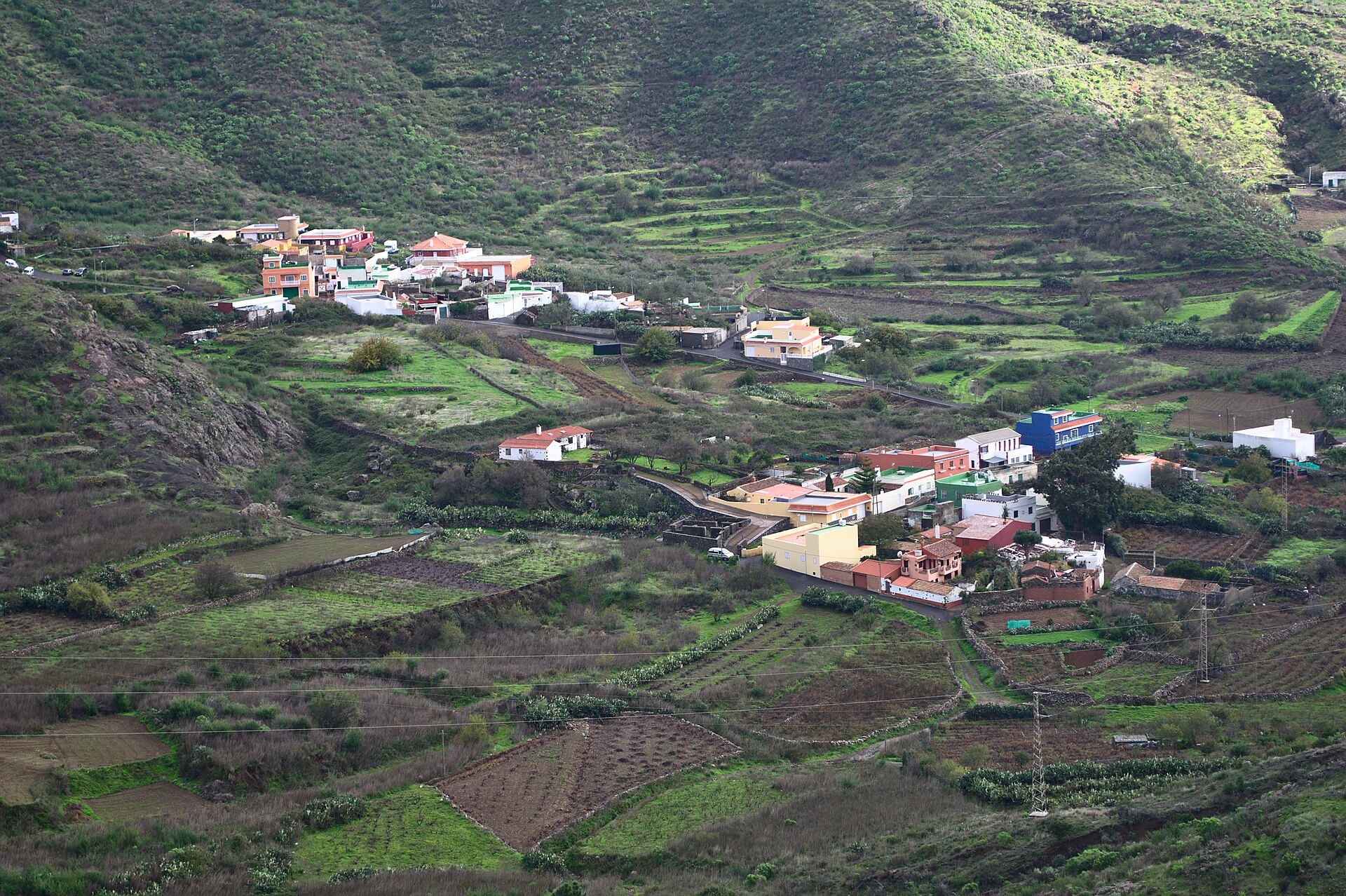
Before setting out
Distances in Santiago del Teide can look short on a map, but the coast, mountain roads and changes in altitude make timing important. Build the day around one main area and keep a realistic alternative in case parking, weather or sea conditions change.
Choose the right time
The coast is usually busiest around midday, while mountain roads and viewpoints are more comfortable with daylight and good visibility. Check the forecast for the exact area, as conditions can differ between Los Gigantes, Masca and the upper municipality.
Move between areas without rushing
Allow extra time for bends, slopes, parking and short walks from the car. Combining two nearby stops often gives a better visit than crossing the municipality several times in one day.
Confirm changing details
Opening hours, trail access, sea trips and parking conditions may change. Use each listing for practical details and confirm anything essential with the official operator or authority before leaving.
Travel responsibly
Respect signs, private access, bathing flags and protected landscapes. Carry water, sun protection and suitable footwear, and never enter a trail or the sea only because other visitors are doing so.
Organising a full day without wasting time
Before choosing the route
Santiago del Teide is not one compact town. The municipality brings together mid-altitude villages, mountain roads and several coastal neighbourhoods, so trying to see it all without ordering the route usually means more time in the car and less at each stop. For a first visit it works better to pick a clear direction: start in the old town and come down to the coast, or spend the whole day between Los Gigantes, Puerto de Santiago and Playa de la Arena.
The ideal route also depends on when you arrive, the sea forecast and whether you have booked an activity. A boat trip or kayak outing should become the fixed point of the day; everything else is arranged around its check-in time. Without a booking, keep the flexibility to fit viewpoints, beach and lunch around the light, the traffic and how busy things are.
Morning in the old town and the mid-altitude villages
Starting in the old town lets you understand the landscape before you reach the ocean. The area around the church, the central streets and the references to the Chinyero place the visit in a municipality shaped by volcanic activity and rural life. It is a quiet stop, good for walking without hurry, having a coffee and checking any last-minute information before taking roads with more bends.
If you add a hiking route, cut down the number of stops afterwards. Even an easy walk needs water, proper footwear and time to get back. On hot days it is worth keeping the early hours for walking; with cloud or wind, check the state of the trails and do not assume the coast will have the same conditions as the villages inland.
Coming down to Los Gigantes
Arriving at Los Gigantes changes the rhythm completely. A high viewpoint gives you the scale of the cliffs first and helps you place the marina, the beach and the coastal neighbourhoods. You can then head down to the marina, but expect slopes, busy streets and limited parking in the middle of the day. Arriving with a margin stops a scenic stop turning into a dash to the boarding point.
At the marina it is worth leaving time to walk, look at the cliff face and decide whether Playa de Los Guíos fits the state of the sea and how busy it is. The beach is small and the experience changes with swell, tide and crowds. Always check the flag and the instructions posted on the day.
Where to fit lunch in
To avoid breaking up the route, eat in the same area where you plan to spend the afternoon. Los Gigantes works well if you have an activity on the water; Puerto de Santiago is a practical base for continuing on foot or moving on to Playa de la Arena. Before sitting down, check the kitchen’s hours, whether you need to book, and whether the place really matches what you are after: something quick, a terrace, local cooking or a long lunch.
In high season it is better not to depend on a single restaurant. Keep two nearby alternatives and avoid crossing the whole municipality for one recommendation. The guide links listings with phone, website and location so you can confirm the details that matter directly with the business.
A coastal afternoon and the sunset
Puerto de Santiago and Playa de la Arena let you close the day with a coastal walk, a swim when conditions are safe, or a stop facing the horizon. For the sunset, arrive early: you can choose a stable spot, avoid rushing and see whether there is low cloud or calima. Do not go near edges, wet rocks or areas exposed to the swell just to get a photograph.
If you are travelling with children, anyone with reduced mobility or someone unused to slopes, simplify the afternoon and choose a single walk. The point of the route is not to collect places, but to combine inland and coast in a way that lets you understand the destination and enjoy each stop.
A fallback if something changes
Wind, swell, a slow road or a cancelled activity can all change the programme. Always keep a land-based alternative: viewpoints, the old town, a walk through the streets, food or a short visit to another area. If Masca is part of your original idea, treat it as a trip of its own and check its access conditions beforehand; adding it to an already full day usually leaves very little margin.
Before setting out, check the weather, the state of the sea, real driving times and any opening hours that shape the visit. Take water, sun protection, a light layer and comfortable footwear. With that basic preparation, the day can adapt without losing its point, even if it does not follow the order you planned.
Frequently asked questions
Can you see Santiago del Teide in one day?
Yes, if you organise the route by area and prioritise Los Gigantes, Masca, Playa de la Arena and a stop in the old town or Puerto de Santiago.
Which area should you visit first?
Los Gigantes usually works well first thing for the light, the parking and the chance to link up with activities at sea.
Do you need a car?
To make the most of a full day it is advisable to have a car, or to plan transport and timings very carefully.
Where can you eat along the route?
Puerto de Santiago, Playa de la Arena and Los Gigantes have the highest concentration of restaurants and terraces for a midday stop.