Playa de la Arena makes it possible to spend a full day beside the Atlantic without relying on a car: volcanic sand, the promenade, restaurants, services and sunset are all close together. This guide organises the day while keeping changeable details in the practical listings.
Before setting out
Distances in Santiago del Teide can look short on a map, but the coast, mountain roads and changes in altitude make timing important. Build the day around one main area and keep a realistic alternative in case parking, weather or sea conditions change.
Choose the right time
The coast is usually busiest around midday, while mountain roads and viewpoints are more comfortable with daylight and good visibility. Check the forecast for the exact area, as conditions can differ between Los Gigantes, Masca and the upper municipality.
Move between areas without rushing
Allow extra time for bends, slopes, parking and short walks from the car. Combining two nearby stops often gives a better visit than crossing the municipality several times in one day.
Confirm changing details
Opening hours, trail access, sea trips and parking conditions may change. Use each listing for practical details and confirm anything essential with the official operator or authority before leaving.
Travel responsibly
Respect signs, private access, bathing flags and protected landscapes. Carry water, sun protection and suitable footwear, and never enter a trail or the sea only because other visitors are doing so.
How to spend a full day in Playa de la Arena
Before heading down to the beach
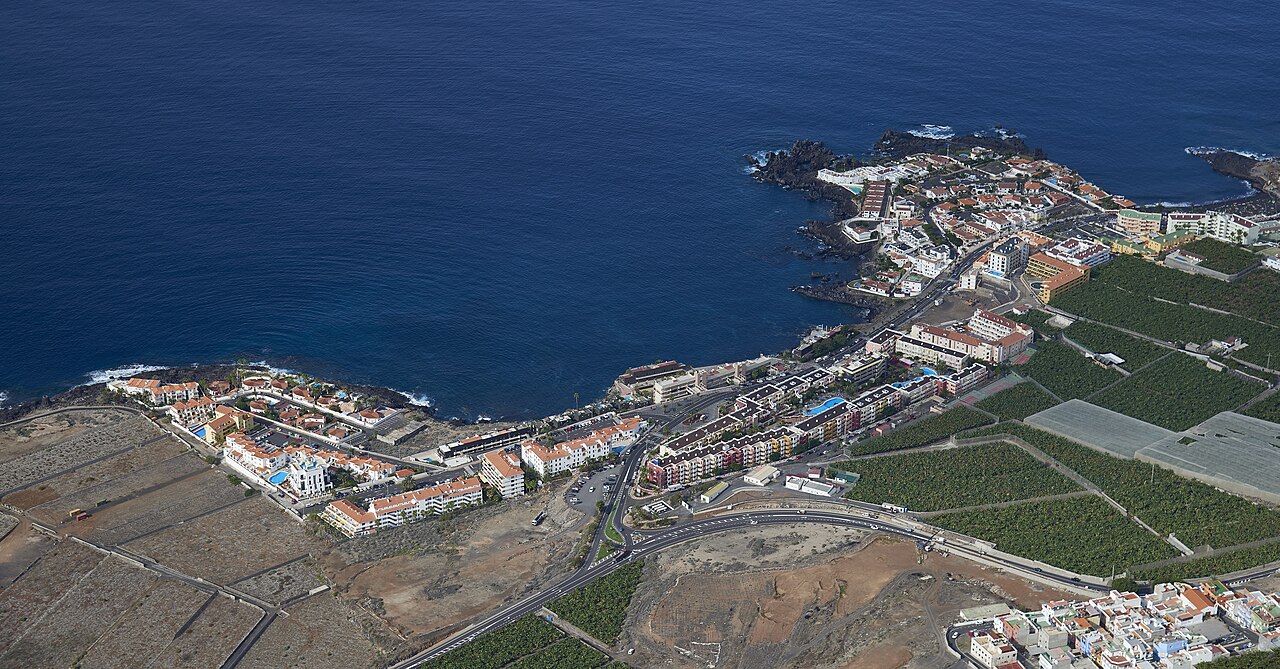
Playa de la Arena is an urban coastal area of Puerto de Santiago, not just a strip of sand. The beach, promenade, restaurants, accommodation and everyday services are close together, so it works particularly well when you want to reduce travel and leave the car for several hours. On a first visit, use the beach as the centre of the plan and organise the rest of the day on foot.
The sea determines the order of the day. Check the forecast, look at the flag when you arrive and follow the lifeguards’ instructions. A morning planned around swimming can become a walk and a meal if the swell increases. Bring footwear for hot volcanic sand, sun protection and water, even if you plan to use the nearby shops and cafés.
A beach morning without watching the clock
Earlier hours usually make it easier to get your bearings and choose a place before the busiest part of the day. Black sand absorbs a great deal of heat: use the walkways where available and do not assume you will be able to walk barefoot. Showers, toilets, sunbed and parasol hire or lifeguard services may have their own hours and availability; the beach listing holds the latest checked practical information.
With children, older people or reduced mobility, identify the easiest access, shade, toilets and a meeting point first. Ramps, walkways, adapted sunbeds and amphibious chairs do not guarantee that every form of assistance is available at all times. Confirm assisted bathing when it is essential and keep an alternative plan on the promenade.
Swimming and snorkelling with good judgement
The volcanic seabed and rocky areas may make snorkelling appealing, but they do not make the whole coast easy. Enter only when the sea is favourable, visibility is good and you can use an authorised access point. Stay away from rocks struck by waves and end the swim if the wind changes, a current appears or you can no longer see your return point clearly.
The bathing flag and the instructions given that day take priority over any guide. A red flag means do not enter; a yellow flag requires caution and an honest assessment of experience and fitness. Do not snorkel alone, chase wildlife or touch the seabed. When conditions are unsuitable, watching the coast from the promenade is still a worthwhile plan.
The promenade and eating near the water
After swimming, the promenade lets you remain beside the Atlantic without making another major journey. Choose the distance according to the heat and the group’s mobility, and remember that a coastal walk may include slopes, steps or stretches exposed to the sun. If you continue towards Puerto de Santiago, check the return route and keep enough energy for the walk back.
The area has restaurants, bars and terraces with different styles. Filter the directory by Playa de la Arena and confirm kitchen hours, booking requirements, accessibility and price directly. Keeping two nearby alternatives avoids crossing the municipality at the last minute. If you are wearing swimwear or carrying beach equipment, check the venue’s access conditions before going in.
A relaxed afternoon and sunset
The afternoon can include another swim when the flag allows, a break at your accommodation or a short walk along the seafront. You do not need to fill every hour with an activity. The advantage of this area is the ability to alternate between sand, promenade and services without repeatedly moving the car or committing to a fixed booking time.
On clear days, La Gomera may appear across the water as the sun goes down. Arrive early enough to choose a stable, permitted viewpoint, and avoid wet rocks even when they seem to offer a better photograph. The light continues to change after sunset; bring a light layer and make sure the route back remains clear.
Getting there and what to combine with the beach
TITSA routes along the coast provide connections from Los Gigantes, Puerto de Santiago, Costa Adeje and other points, but timetables change. Check the stop, direction and final departure on the day. If you arrive by car, allow time to find authorised parking and never block entrances, pedestrian crossings or reserved spaces.
Playa de la Arena combines naturally with Puerto de Santiago because the two plans can connect without crossing the whole area. Los Gigantes adds the marina, cliffs and sea activities, but deserves its own time and parking plan. Masca and the inland trails work better on another day: adding them to a beach day generally produces more driving than visiting.
Frequently asked questions
Is Playa de la Arena suitable for children?
It is a town beach with nearby services and adapted access, but whether it is suitable for swimming always depends on the flag, the swell and the lifeguards’ instructions.
Is the beach accessible for people with reduced mobility?
There are ramps, walkways and adapted equipment. Assistance and amphibious chair availability may vary, so confirm them before travelling when they are essential.
Can you snorkel at Playa de la Arena?
Only when the sea is favourable and in a safe area. Rocks, currents and swell require caution; the bathing flag and lifeguards always take priority over general advice.
Where can you eat nearby?
The seafront has restaurants, bars and terraces within walking distance. Filter the listings by Playa de la Arena and confirm kitchen hours, booking and accessibility with the venue.
Is it a good place to watch the sunset?
Yes. On clear days the horizon and La Gomera frame the sunset. Choose the promenade or dry sand and stay away from rocks and edges exposed to waves.